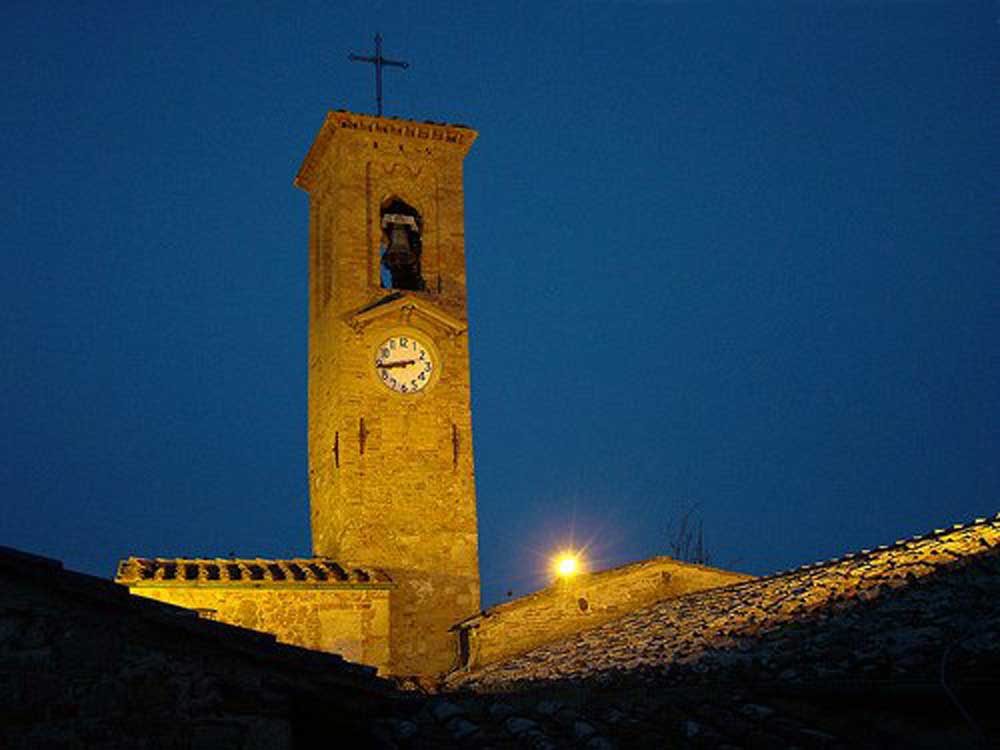
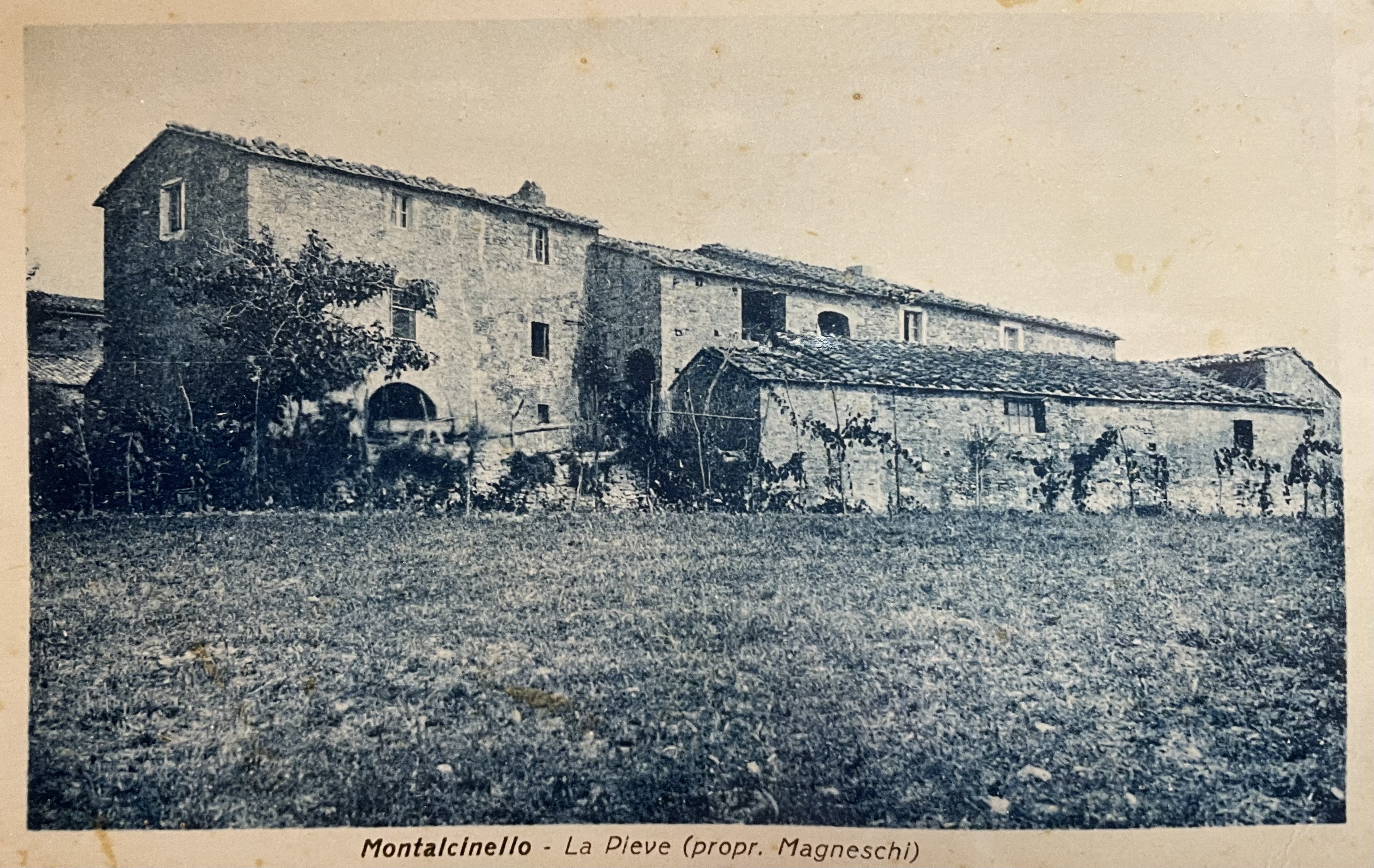
Podere la Pieve: History of an Ancient Place

Search

Check-in:

Check-out:

Adults:

Children:


Searching

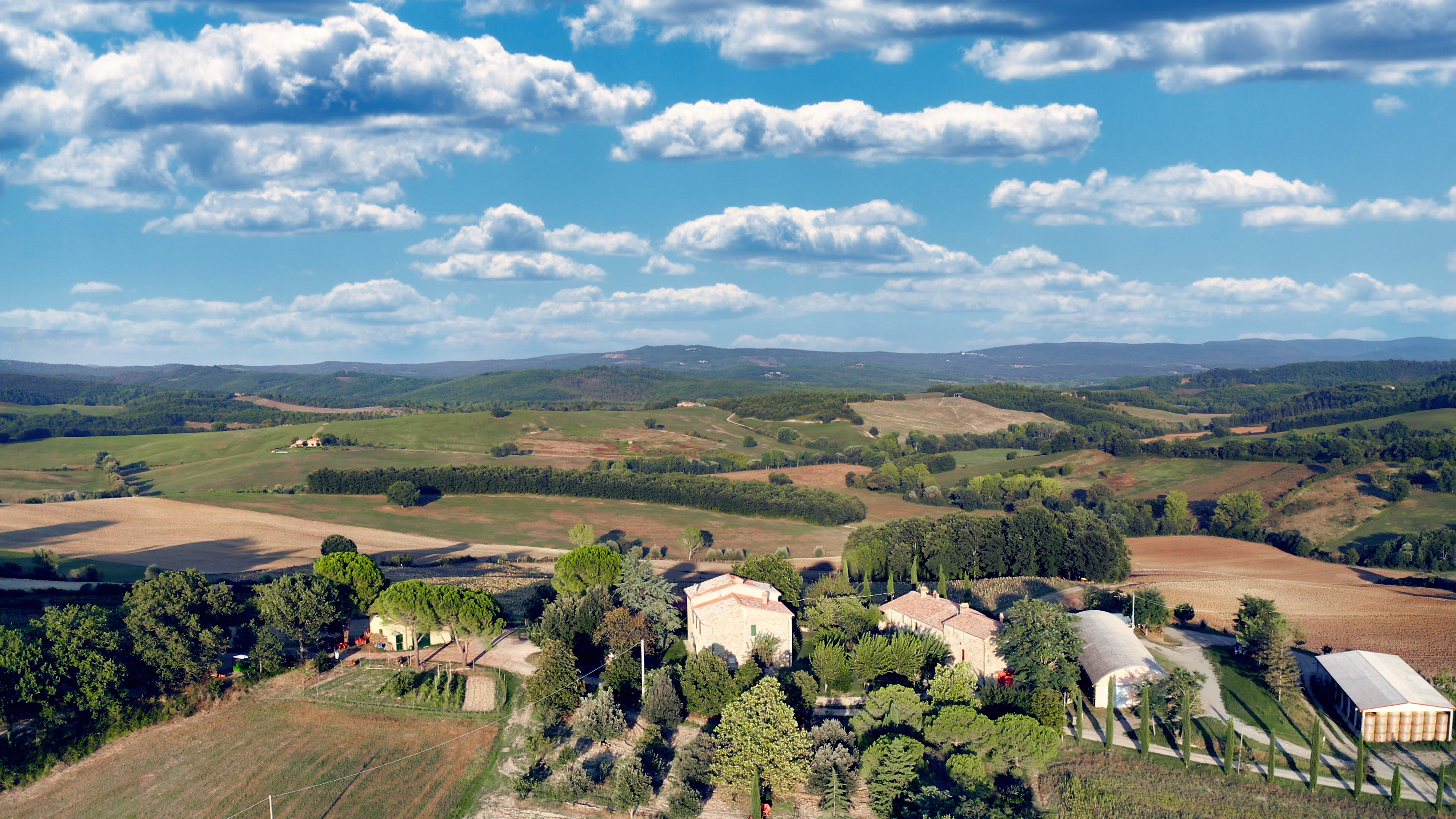
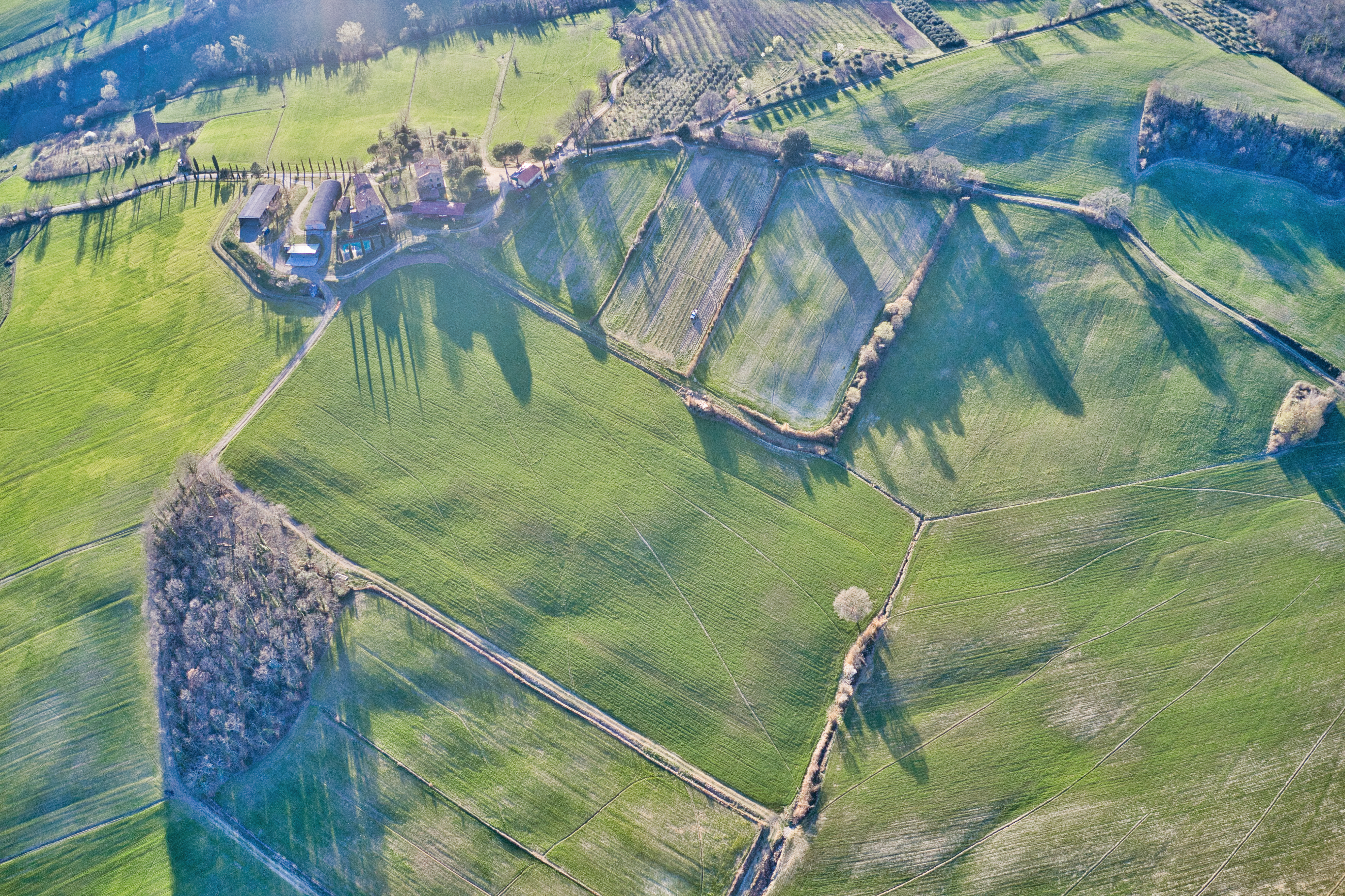
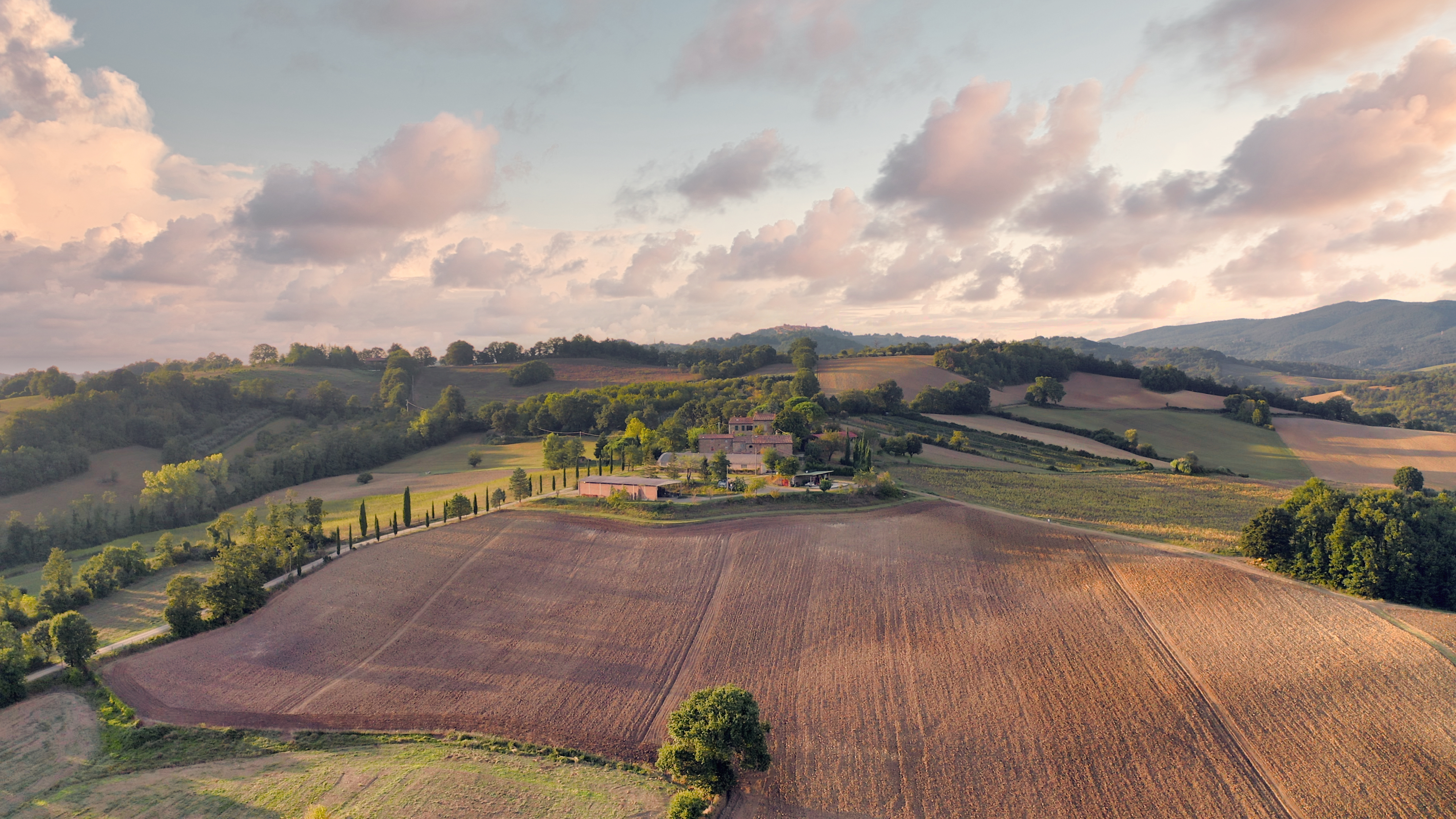
"Our unforgettable farm holiday in Tuscany was spent at the historically significant Pieve di Sorciano, a charming agriturismo situated on the very grounds where a powerful ancient parish church once stood in the 6th century AD. Nestled amidst the breathtaking Tuscan countryside and a short distance from the medieval town of Monalcinello, this enchanting destination offered us a unique opportunity to immerse ourselves in the region's captivating history.

Upon our arrival at Pieve di Sorciano, we were instantly captivated by the rustic beauty of the meticulously restored farmhouse that paid homage to its remarkable past. The exposed wooden beams, terra cotta floors, and antique furnishings exuded an air of authenticity, while the warm and welcoming hosts ensured our stay was nothing short of extraordinary.

As we explored the verdant landscape that surrounded our agriturismo, we couldn't help but marvel at the thought of walking in the footsteps of those who had come before us. The ancient parish church that once stood proudly on these very grounds had not only been a center of religious and cultural importance but also a hub of economic activity, where the revered Volterra coins were minted. The echoes of this illustrious past were palpable in the very soil beneath our feet.

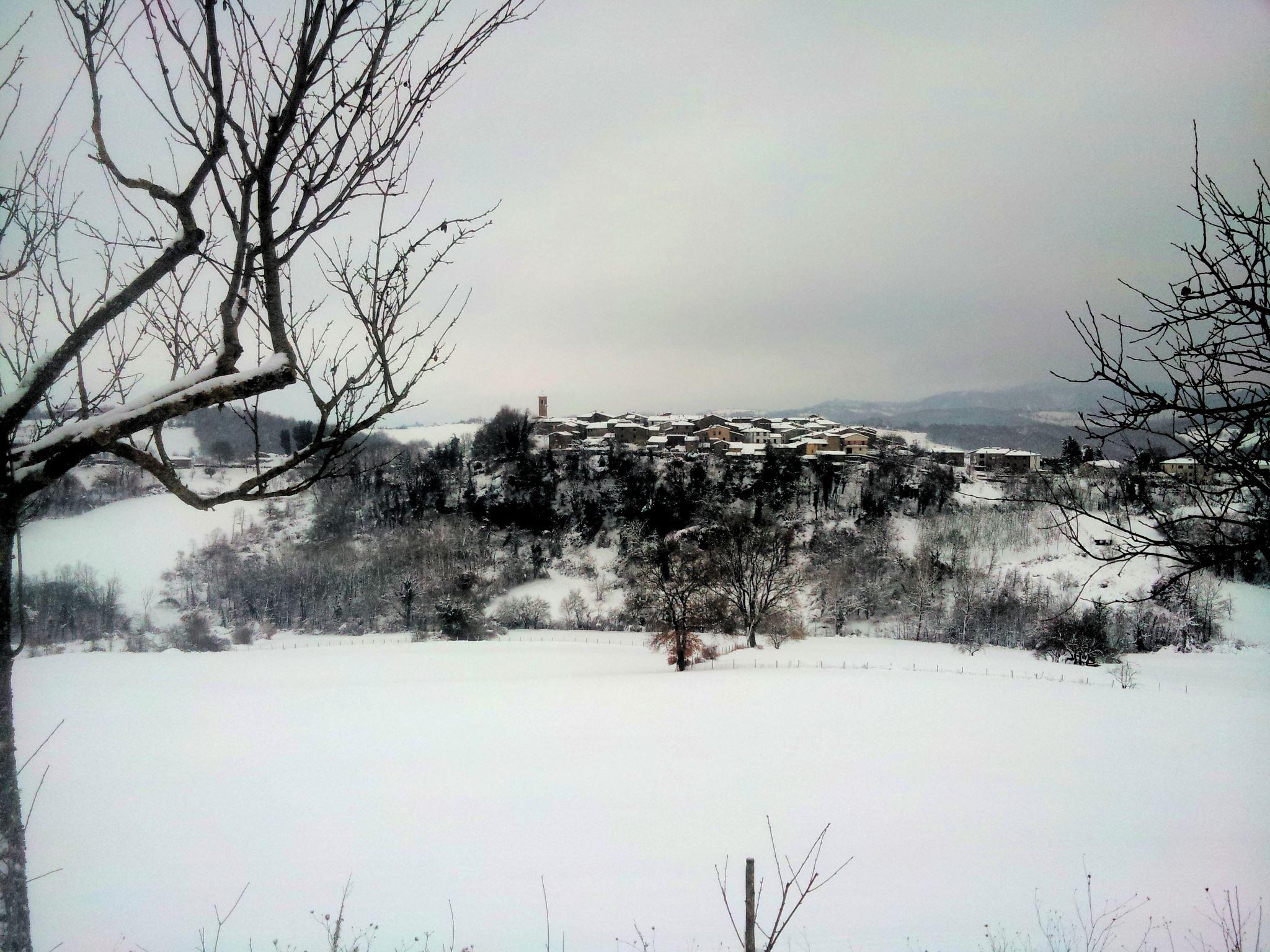
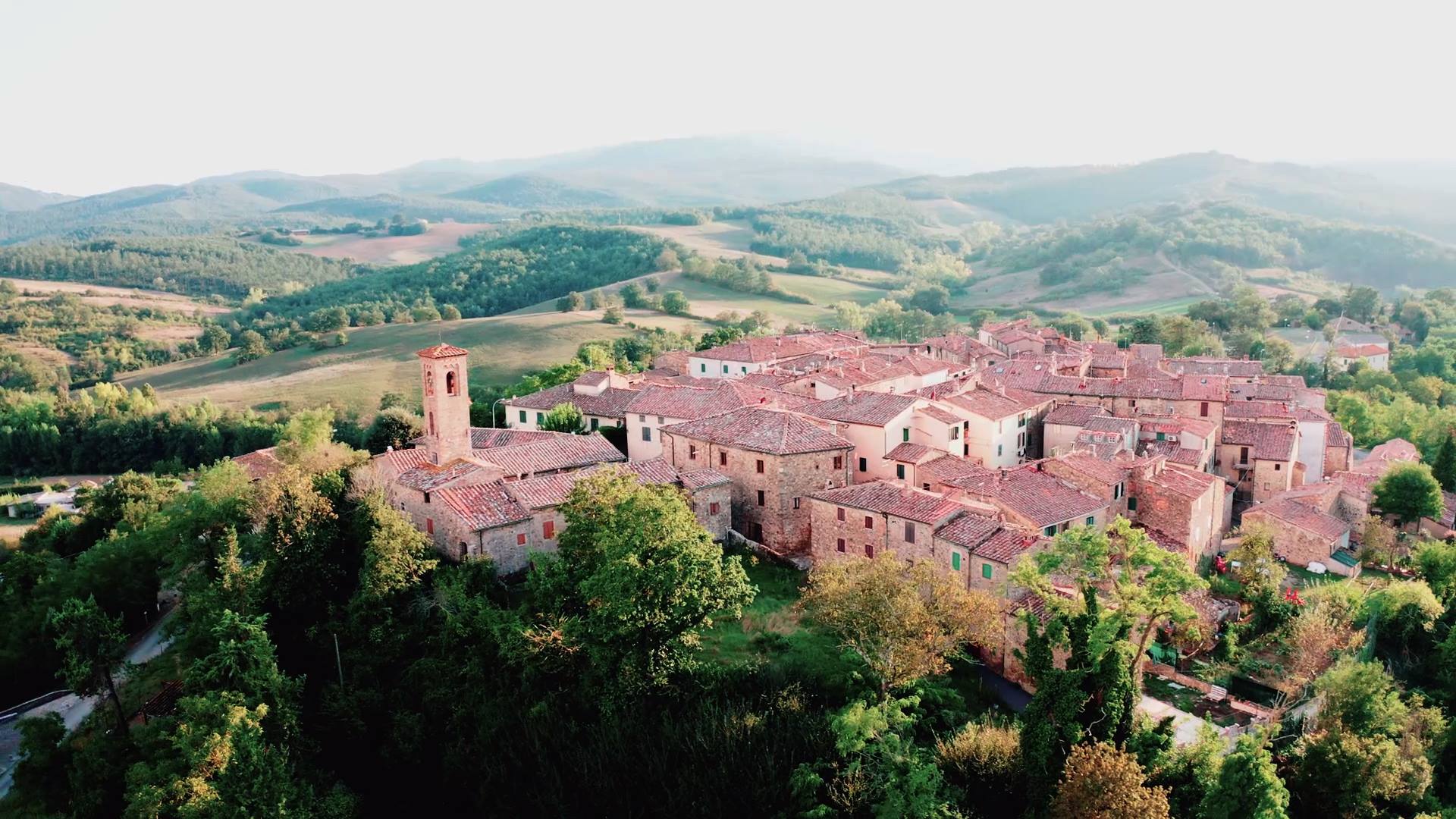
Our days were filled with delightful excursions to the nearby medieval town of Monalcinello, where we wandered along the narrow cobblestone streets and admired the perfectly preserved stone buildings. We reveled in the town's rich history, exploring the fascinating remnants of its ancient walls and fortifications, and discovering the intriguing stories of the people who once called this place home.

Between our visits to Monalcinello and our leisurely strolls through the picturesque countryside, we found ourselves drawn to the agriturismo's little library. Here, we delved deeper into the fascinating history of the Pieve di Sorciano and its significance during the 6th century. The tales of religious ceremonies, political intrigue, and the craftsmanship involved in minting the exquisite Volterra coins sparked our imaginations, transporting us back to a time long since passed.

Each evening, we gathered around the communal table at Pieve di Sorciano to share a meal prepared with love, using only the freshest ingredients harvested from the farm's organic garden. The aromas of traditional Tuscan dishes wafted through the air, as we toasted to our newfound friends and the incredible experiences we shared in this magical corner of the world.

Our farm holiday at the historically significant Pieve di Sorciano was an unforgettable journey through time, where we immersed ourselves in the rich history and culture of Tuscany while forging lasting memories amidst the stunning backdrop of rolling hills, cypress trees, and ancient landmarks. The legacy of the powerful ancient parish church and its remarkable connection to the region's past will forever hold a special place in our hearts."


Pieve di Sorciano

SORCIANO (PIEVE DI), or Surciano in the Val di Merse. – Parish church with a long ruined hand that was under the invocation of St. John, in the Community and Jurisdiction of Radicondoli, Diocese of Volterra, District of Siena.
It existed between Belforte and Montalcinello, two populations already branches of the plebeian church of Sorciano, in whose rectory a placitation of the Countess Matilde took place on 10 April 1100 in favor of Raginierio, bishop of Lucca. The nobles Rolando di Pagano di Corsena, Ranieri di Bulgarello, Opizio di Gonzaga, Fraolmo di Pichena, Pietro di Walfredo di Pichena, Sasso di Bibbianello, and many others attended the placit. The object was to be defined as a dispute between Ardingo judge and Ubaldo da Carpineta in favor of Raginiero bishop of Lucca and his successors against Bernardo and Ranieri sons of Ardingo (count) and their spouses, whose parents since the time of bishop Ànselmo (Pope Alexander II) had obliged themselves to lodge and to accompany to Rome with 30 men on horseback once a year, if necessary, the bishops of Lucca. – (MEMOR. LUCCH. Volume IV, Part II).


Even the Pope Alexander II, with his bull dated 23 April 1179 addressed to Ugone bishop of Volterra, confirmed the parish church of Sorciano to the church of Volterra, and Giachi added that the aforementioned parish church had to be a collegiate church, deducing it from a deed dated 1360 a favor of the Municipality of Belforte, for leasing of goods, was made by two canons of that parish in the name of Giovanni di Milano, their superior and parish priest of Sorciano. With respect to which collegiate I will refer my readers to other articles from ancient parish churches which gave their chaplains the title of canons, given the common life they then lived together with the parish priest.Article PAPENA, or PAPIENA of the parish priest of Sorciano was given the summary of a public deed of 1253, with which Rinaldo parish priest of Sorciano, with license from Ranieri, bishop of Volterra, renounced the abbot and monks of S. Galgano in Val di Merse following 4 branch churches; that is, of Papiena, of Scarpegiano, of Grepine, and of Vespero. – See MONTI A MALCAVOLO, and PAPENA.


The ancient parish church of S. Giovanni a Sorciano must have embraced a large territorial extension, as it included under its ecclesiastical jurisdiction the populations of Montalcinello, of Belforte with three hospitals, the churches of Cornocchio in Radicondoli, of Mozzetto, of Patena, of Tremoli , of Elci, of Travale, of Monteverticato, of Brezzano near Travale, of Tramonti, of Casaglia, of Papena, or Papiena, of Sanpeggiano, of Valloria, of Crepina, and the rectory of Gabbro, in all the 20 churches, which they also existed in 1356, as shown by their number in the synod of the diocese of Volterra mentioned several times.

A Hidden Gem Amidst Tuscan Charm and History

Montalcinello

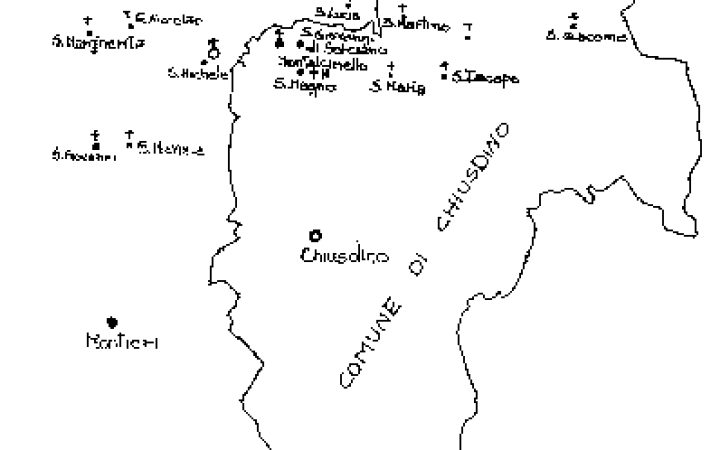
Comune di Chiusino old map
Its origins date back at least to the 10th century; in fact, some documents testify of the Pieve di San Magno already in 987. The small castle of Montalcinello was disputed between the Counts della Gherardesca of Frosini and the Bishop of Volterra. In 1133 an agreement was signed between the contenders who placed the castle under the authority of the bishop. In this period the importance of the village ("Montalcin de' Vescovi") increased so much that a new parish church had to be built and it also became the seat of a bishop's mint. The government of the village was guaranteed by three "Priori", appointed by the "Councillors"; a "Treasurer" had the custody of the finances and municipal goods, whose income was guaranteed by the taxes imposed by the "Estimators". Montalcinello will remain under the jurisdiction of the Bishop of Volterra until the second half of the fourteenth century when it passed under the Republic of Siena losing its autonomy.
Comune di Chiusino old map

Medieval history

It sits on a hill, at the foot of which, between north and east, flows the Quarta stream, and between the ostro and sirocco the Sajo ditch, both of which empty into the Feccia stream.
The Castle of Montalcinello, already known as Montalcino, probably from the holm oak trees that covered this hill right from its origins, was the ancient lordship of the bishops of Volterra of the family of those dynasts who brought to the same table part of their ancestral inheritance and with it various places and deposits of castles in the Volterra countryside, is a subject on which it does not seem that Tuscan historians have so far instituted suitable investigations.

In the Articles CHIUSDINO and FROSINI I mentioned an award of 1134, thanks to which it was decided that Guido, Tedice, Pepone and Monaco sons of Count Ugo and Countess Gena should grant Crescenzio Pannocchieschi bishop of Volterra, his successors and vassals a necessary asylum in time of war in their castle of Frosini with an oath not to molest the aforementioned bishop in the domain of half of the castle and court of Chiusdino, when the other half was already held by the same four brothers. The Pannocchieschis had to make the same promise to two other fiefdoms of Bishop Crescenzio; that is, of the castle and court of Montalcino (Montalcinello) and of the castle of Montieri.

From this award, therefore, we understand that the lords of Frosini and Chiusdino, of the aforesaid house, were, as it seems to me, not only consorts of the Gherardesca counts, but still feudal lords of Bishop Crescenzio, who belonged to the same family magnatizia, as was that powerful bishop of Volterra Ildebrando Pannocchieschi who was privileged by Federigo I and Arrigo VI. – See VOLTERRA.
In a document of 8 October 1201, existing among the parchments of the community of Volterra gathered in the Arch.Dipl.Fior., it is a question of a donation made by Ildebrando Bishop of Volterra of some predj to the monastery of S. Galgano. This deed was drawn up in the castle of Montalcino in the diocese and county of Volterra, that is, in this Montalcinello where those prelates had a house. In fact, the successors of the aforementioned Hildebrand had their small copper coins minted not only in Montieri and Belforte, but also in Montalcinello; and it was the bishop of Volterra, Ranieri degli Ubertini, who in 1290 had the plebeian church of S. Magno in Montalcinello built.


In 1349, when the order of the political government of Volterra was changed, due to serious discords born between the Municipality and the bishop Filippo Belforti, the latter having to go to Rome, entrusted the custody of the Castles of Berignone and Montalcinello to a son of Octavian Belforti. Except that in 1356 the Republic of Siena took over the dominion of the castle of Montalcinello from the newly elected Volterra. Such a truth is demonstrated by some contracts existing in the Arch.Dipl.Sinese (Kaleffo nero N°.182.185.186.187. and 188.) in the Cronache, and in the Istorie di Siena.
In the first instrument of the black Kaleffo it concerns the possession taken in 1360 of the castle, court and district of Montalcinello, in the name of the Municipality of Siena, by authority granted to it by the bishop of Volterra, as in force of the obligations and concessions made by the prelates of the Volterra church, he took possession for the Municipality of Siena of the castle and court of Montalcinello. – The third instrument appeals to the oath of loyalty and submission taken by the men of Montalcinello to the Sienese Republic of their land, court and district; after which the XII governors of that Republic (fourth document) declared the inhabitants of Montalcinello citizens of Siena, on condition that they had to pay the duties and other burdens customary to be borne by the inhabitants of their city; and with that those inhabitants bought salt from the Municipality of Siena at 20 soldi a stajo, and offered every year to the cathedral on the day of S. Maria Assunta a prize worth 25 lire, plus 4 candles of a pound each.


In 1365 it was agreed between the Lords XII governors of Siena on one side, and two representatives of the bishop of Volterra on the other side, that the men of Montalcinello would pay the Municipality of Siena 250 lire a year, in addition to the usual offer of the palio and of the 4 candles; and vice versa that it would be in the free faculty of the bishops of Volterra to elect the judge of Montalcinello with right over civil, mixed and criminal cases; which conventions five years later were approved and sworn by the men of Montalcinello. – (ARCH.DIPL.SEN. Kaleffo nero n°214, 217 and 218).

Detached Montalcinello in this way from the countryside and temporal jurisdiction of Volterra, from that time on it has constantly remained under the government of Siena, even after the territory of that republic was reunited with the Medici crown of Florence.
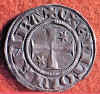
It has been said above that the Bishops of Volterra had their small copper coins minted not only in Montieri and Belforte but still in Montalcinello. What alloy, what imprints, and what value they were, is attested by two instruments dated 14 August 1321 and 8 June 1323, when Bishop Rainuccio granted the faculty to some coiners and contractors to mint small coins, or crosas, in his castles of Berignone or Montalcinello, provided that each pound of alloy contained half an ounce of pure silver; from which pound in 1321 55 coins were made. But in 1323 it was agreed that 58 coins should be minted from one pound of the same coin. These coins had a cross carved on one side with the word Vulterra around; and on the reverse half-figure of the Bishop in pontifical dress with the words Episcopus Rainuccius around.
The large silver coin, i.e. the lira of Volterra, contained seven ounces of fine silver for each pound, so that it was equivalent to 17 soldi and 10 denari of the Florentine lira. – See VOLTERRA.
The parish church of S. Magno in Montalcinello has no branch churches. – In 1595 it had 314 inhabitants; in 1640 it had only 114; in 1745 it had risen to 221, and in 1833 it had 496 inhabitants, 59 of whom entered the Community of Radicondoli, the others in that of (ERRATA: Casole) Chiusdino.

MONTALCINELLO. – Finally add. – In 1845 his parish had 456 inhabitants in the main community of Chiusdino, over 60 individuals who entered the community of Radicondoli. – Total 516 Inhabitants.

Chronological history

- 2nd and 4th century AD Small Roman settlements near Cerciano
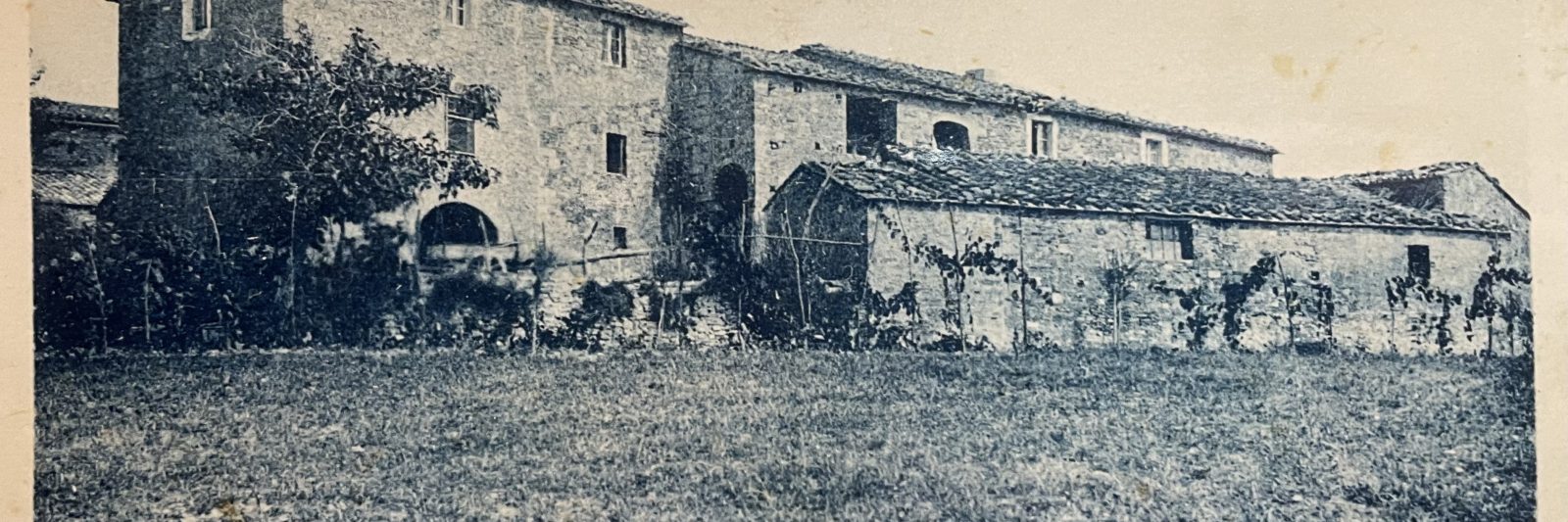
- IV -VII century after Christ The Pieve di Sorciano was born where the farmhouse currently resides., It took great power and under the Longobards it became "Giudicataria", that is a large administrative, juridical and civil district of the Longobard order
- 976 First mentions in the documents of the court of San Magno in the current location of Montalcinello
- 1000 It is mentioned as a castle and therefore equipped with walls
- 1163 Quotation of a church within the court of San Magno.


- 1183 Montalcinello is given to Siena as a guarantee together with Frosini.
- 1186 Henry IV cancels the cession
- 1231 The bishop of Volterra Pagano dei Pannocchieschi settles in Montalcinello where he feels secure surrounded by his relatives from Elci.
- 1236.1237 Pagano returns to Volterra
- 1290 The current church is built.
- 1298 Volterra coin is minted in the Montieri mint near the silver mines, then moved to Montalcinello in the current Palazzo del Conte, then Palazzo Vescovile.
- 1298, 1311, 1314 Passage of the Sienese militias directed to destroy the castle of Elci.
- 1321,1323 Deeds with which the bishop of Volterra, Ranuccio, grants the "faculty of minting a small coin called "Crosa"

- 1347 Black plague epidemic
- 1356 Siena, creditor of Volterra, conquers the castle "with the army and deceit".
- 1356 > 1555 Sienese dominion and slow decline.
- 1356 There are 120 men after a few years they are reduced to 20 due to poverty and emigration.
- 1364 The mercenary company of Giovanni Acuto defeats the Sienese militias near Montalcinello and sacks the town, perhaps then the castle is destroyed.
- 1565 It is forbidden, due to the plague, to bury the dead in the church, it is enclosed and consecrated as a cemetery (the current garden).
- 1678 Visit of the Bishop, the Church is already complete with Sacristy and Rectory
- 1777 on 2 June the free administration of the community ceased and it submitted to the grand ducal regulation, the wooded and cultivated lands, the oven and the houses passed to the grand duchy.
- 1800 With a view to reorganizing the Maremma and bordering lands, the roads are arranged.
- 1820 Report of an expert on the dilapidated state of the cemetery where the corpses are fed to the dogs due to the low wall and the bad smell invests the church and half of the castle.
- 1837 Project, search for water and construction of the current Fonti.(of bad water).
- 1838 Project and estimate for the new cemetery (the current one, far from the town centre) complete with a gravel road for access.
- 1846 Accepted request to have a doctor conducted.
- 1855 Road from Ponte della Feccia to Chiusdino
- 1875 Completion of the Casino-Montalcinello road with the arrival of the first horse-drawn carriages.
- 1888 Access to the town was modified with the current road to the church supported by the "Muraglione".
- 1910 The first coulter arrives.


- 1917 The first Steam Thresher is seen.
- 1919 A Mower is purchased.
- 1919 The farmer brings the first car
- 1919 The Fallaci family, parents of the great writer Oriana, moves there.